
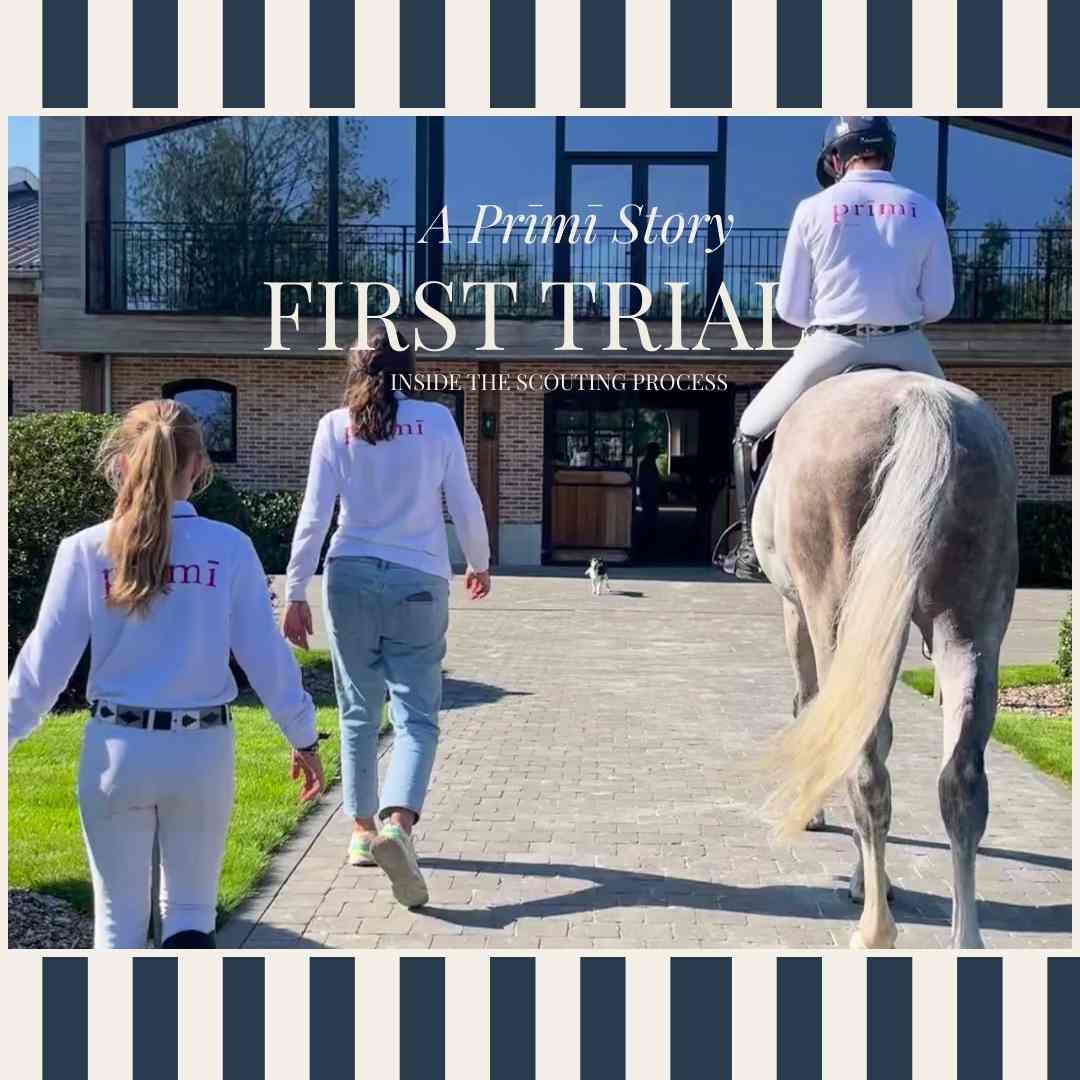
The First Ride — And Why It’s Never the Last
In the previous weeks, we shared how many horses are eliminated before a trial ever happens. But what about the moment we finally sit on the horse?
The first ride is important — but it is never the final decision.
Let Them Show the Horse First
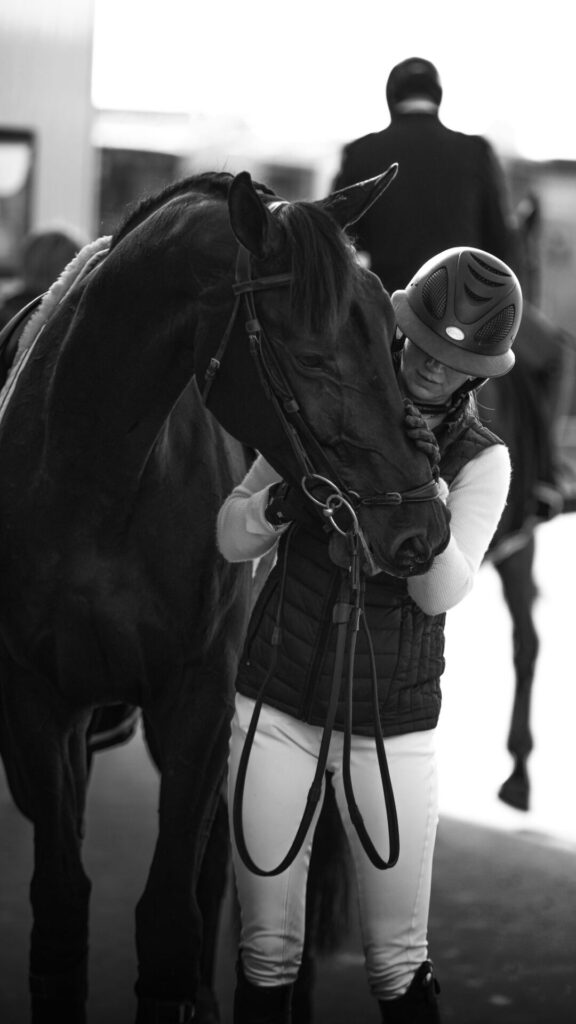
When we arrive for a trial, we usually ask the owner or rider to present the horse first.
We want to see the horse exactly as it was shown to us on video. Is it presented the same way? Does it behave the same way? And most importantly — is it safe and straightforward?
Only when everything looks consistent do one of us, or one of our riders, get on.
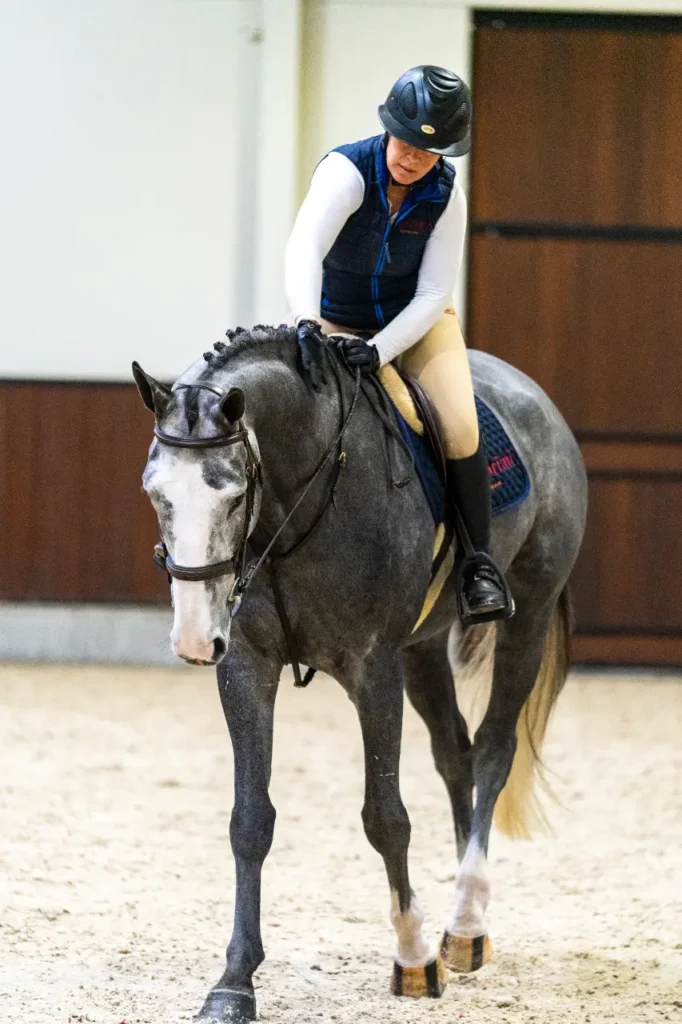
The First Five Minutes Matter Most
We do not start by focusing on the jump.
Instead, we observe the basics:
- Is the horse relaxed or already tight?
- How is the contact — heavy, light, or avoiding?
- What is the reaction to the leg?
- Does the horse have natural balance?
Very often, we learn more in the first five minutes than in the first five jumps.
A horse’s body language, rideability, and basic organization tell us a great deal before a single fence is jumped.tters. when horses have undeniable quality, they do not make the cut.
What We Test Intentionally
Once we begin riding, we test specific elements deliberately:
- Transitions
- Straightness
- Adjustability in the canter
- Reaction after a mistake
- Behavior when something is not perfect
A horse can jump beautifully in a perfectly set-up video. But how does it react when things are not ideal?
Does it stay with the rider? Does it remain rideable? Does it keep its brain?
Trained Well vs. Naturally Suitable
There is a significant difference between:
A horse that is trained well
and
A horse that is naturally suitable.
For amateur riders and the hunter and equitation markets, this difference is critical.
A well-produced horse can look impressive in a controlled setting. But natural balance, temperament, and rideability cannot be manufactured long-term.
Green is absolutely acceptable. Development is part of the sport.
However, most of the time, horses are what they are. We try not to fall in love with the idea of a “bright potential future.” Instead, we focus on what we see today — in behavior, mentality, and raw talent.
We do not buy hope. We evaluate reality.
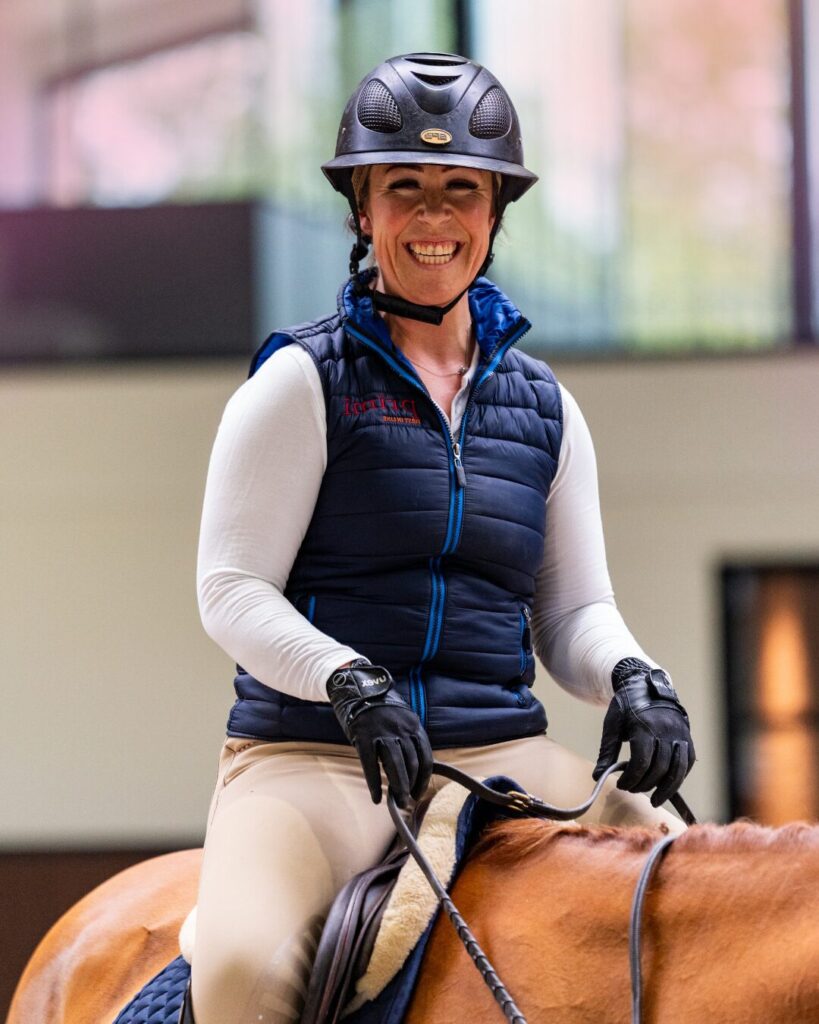

Why We Always Do a Second Trial (minimum)
At Prīmī, we never purchase a horse after just one trial.
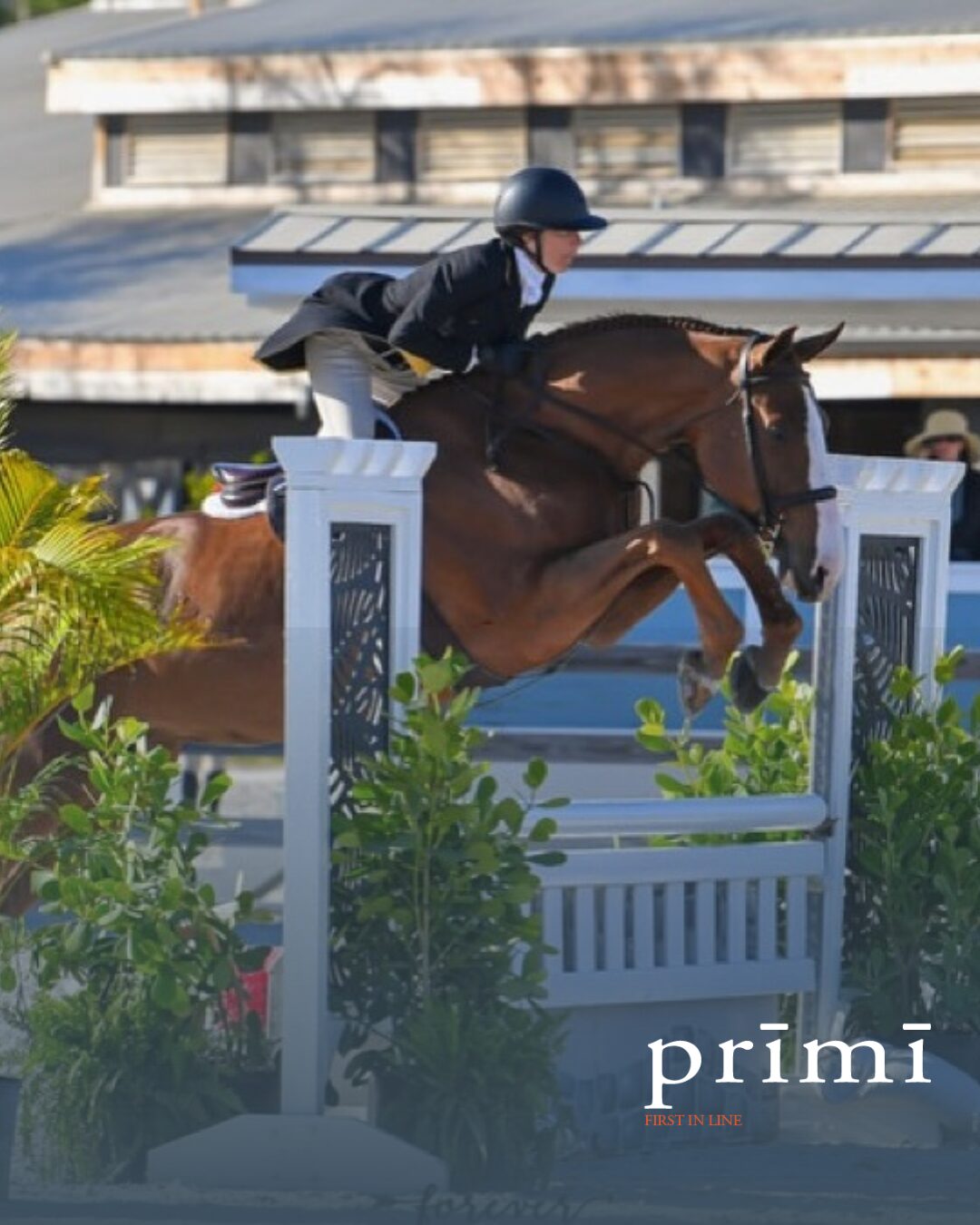
Every serious candidate comes to Stal de Eyckenhoeve for a second trial. This is often the first time the horse is exposed to natural hunter fences and a completely new environment.
That is when the real questions are answered:
- Is the horse different outside its comfort zone?
- Does it keep the same brain in a new setting?
- Does the rideability stay consistent?
Environment changes reveal truth.
Quality vs. Consistency
A good horse shows quality.
The right horse shows consistency.
Consistency of brain.
Consistency of rideability.
Consistency in different environments.
This is what we are searching for when building a Prīmī collection or sourcing for a client.
The first ride creates an impression. The second ride confirms it.
And only then can a horse truly earn its place at Prīmī.
See full video here: https://www.instagram.com/p/DU3kntXDeyE/

Looking Ahead: Next Prīmī Sale
We are pleased to announce that the next Prīmī sale will take place in March 2026.
The official date, horse selection, and access details will be shared soon.
To be the first to receive updates and announcements, we invite you to join our newsletter:
👉 https://www.primi.horse/newsletter/
Stay connected—and stay first in line.